

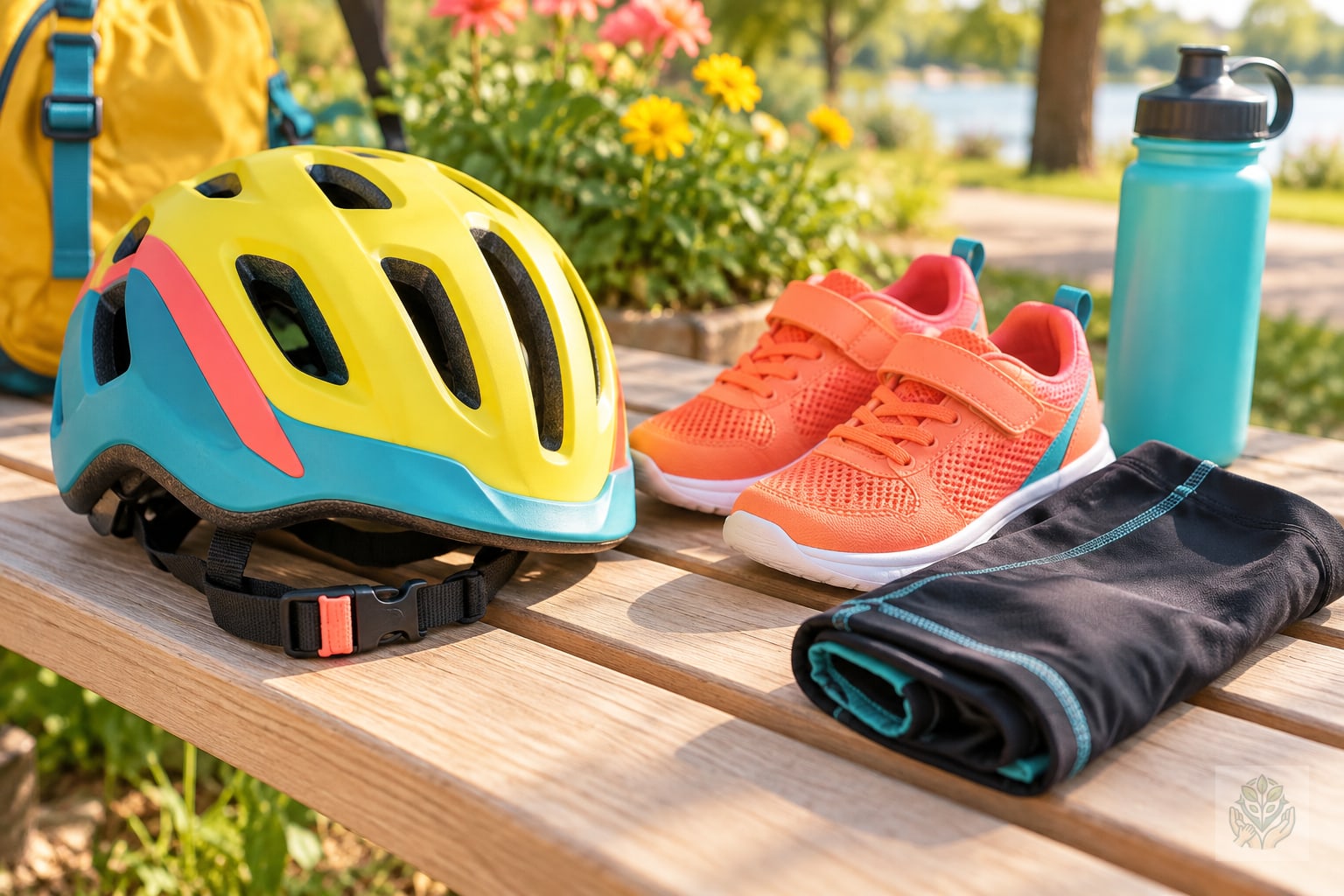
What Should Kids Wear for a Bicycle Ride? A Parent’s Safety & Comfort Guide
There is nothing quite like the freedom of a family bicycle ride. The wind in their hair, the rhythm of pedaling, and the joy of exploring the neighborhood create memories that last a lifetime. However, before you roll out of the driveway, every parent faces a crucial question: what should kids wear for a bicycle ride?
Dressing your child for cycling is about much more than just looking sporty. The right clothes and gear protect them from scrapes, keep them comfortable through miles of pedaling, and boost their confidence on two wheels. Whether your child is just learning to balance on a strider bike or tackling mountain bike trails with you, proper cycling attire is the first step to a fun and safe family ride. Be sure to check out our family bike ride essentials checklist for toddlers and preschoolers for more helpful tips.
The Non-Negotiable: Helmet Safety First
When it comes to cycling gear, the bicycle helmet stands alone as the single most important piece of equipment your child will wear. No matter how short the trip down the driveway is, a helmet is non-negotiable. Always look for a helmet that meets the safety standards set by the Consumer Product Safety Commission (CPSC). This certification ensures the helmet has undergone rigorous testing to absorb impact effectively. You can learn more about protecting your child in our complete bicycle helmet safety guide for kids.
Buying a certified helmet is only half the battle; ensuring a proper fit is equally critical. Use the reliable Eyes, Ears, Mouth test to check the fit:
- Eyes: When your child looks up, they should just barely see the brim of the helmet sitting two finger-widths above their eyebrows.
- Ears: The straps should form a neat ‘Y’ shape just beneath each earlobe.
- Mouth: When your child opens their mouth wide, the helmet should pull down slightly on their head, meaning the chin strap is snug.
Finally, remember to inspect helmets regularly. If your child has been in a crash, or if the helmet has taken a hard drop on the pavement, replace it immediately, even if there is no visible damage. Helmets are designed for a single impact.
The Golden Rules of Cycling Apparel
Beyond the helmet, everyday clothes do not always translate well to cycling. The dynamic movement of pedaling requires clothing tailored to the activity. One of the most important rules is to avoid loose fabrics like wide-leg trousers, flowing skirts, or oversized coats. These billowing items can easily catch in the bicycle chain or spokes, leading to sudden tumbles.
Visibility is another critical element of safe cycling apparel. Choose bright, vibrant colors that stand out against the pavement and foliage. Neon yellows, oranges, and pinks make your child easily spotted by motorists. Furthermore, incorporating reflective strips or vests on evening or overcast rides dramatically increases safety.
Weather unpredictability calls for strategic layering. Children regulate their body temperature differently than adults, often warming up quickly while active and cooling down rapidly when resting. Dressing them in thin, breathable layers allows you to add or remove items as needed throughout the excursion.
Footwear: Why Closed-Toe is Best
Footwear choice can make or break a bicycle adventure. While sandals and flip-flops might seem convenient for warm summer days, they offer zero protection and make it difficult to grip the pedals securely. Feet can easily slip, leading to scraped shins from the metal pedal teeth. For everyday footwear advice, take a look at our guide on how to choose flexible shoes for young children.
Sturdy athletic sneakers with secure laces are the gold standard for young riders. They provide a flat, stable platform for pushing down on the pedals and protect the toes from stray rocks or pavement scrapes. Always ensure that shoelaces are securely tucked into the shoe or double-knotted before starting the ride to prevent them from tangling in the bike chain.
Clothing for Comfort and Protection
Comfort directly influences how long a child will happily ride. When selecting bottoms, opt for stretchy leggings, bike shorts, or athletic joggers. Stiff denim jeans restrict movement and can cause uncomfortable chafing around the knees and waist during repetitive pedaling motions.
For tops, consider the fabric carefully. While cotton is soft, it absorbs sweat and holds moisture against the skin, making the child feel cold and clammy when they pause. Moisture-wicking synthetic fabrics or athletic blends pull sweat away from the body, keeping your child dry and comfortable.
If you plan on tackling longer family trail rides, consider investing in padded cycling shorts. These feature a built-in chamois pad that reduces friction and cushions sensitive areas, transforming a potentially sore ride into an enjoyable adventure.
Essential Accessories for Every Ride
Once the basic outfit is sorted, a few thoughtful accessories can elevate your child’s riding experience. Eye protection is often overlooked, but a pair of shatter-resistant children’s sunglasses shields their eyes from harmful UV rays, wind, and airborne dust or bugs.
Cycling gloves are another fantastic addition. They provide extra grip on the handlebars and act as a second skin if your child takes a minor spill, protecting their palms from scrapes against the rough pavement. Explore options in our best bicycle gloves for young cyclists guide. For longer journeys, a lightweight hydration backpack allows children to take sips of water without stopping.
Seasonal Tips: Adapting Gear for the Weather
Adapting your child’s cycling wardrobe to the changing seasons ensures year-round outdoor fun. Here is a quick guide to seasonal dressing:
- Summer: Prioritize lightweight, breathable, UPF-rated sun-protective fabrics, and do not forget child-safe sunscreen.
- Autumn and Spring: Use a lightweight, windproof jacket over a moisture-wicking long-sleeve shirt to combat chilly morning breezes.
- Winter: Layer thermal base layers under flexible outerwear. Avoid bulky ski coats that restrict shoulder and arm movement needed for steering.
Final Checklist for Parents
Before rolling out of the driveway, run through a quick pre-ride inspection. Child development specialists love routines because they build independence and responsibility. Involve your child in the process using a quick version of the ABC Quick Check:
- A is for Air: Check that tires are properly inflated.
- B is for Brakes: Ensure the brakes stop the wheels effectively. You can also read our guide on how to teach your child to brake safely on a bike.
- C is for Chain and Cranks: Look for a smooth chain without tangles or loose parts. Learn more with our simple bicycle maintenance kids can learn guide.
- G is for Gear: Confirm the helmet fits snugly and shoelaces are securely tucked away.
Encourage your child to be an active participant in this routine. When kids take ownership of their gear, they learn invaluable lessons about safety and self-reliance.
Conclusion
Preparing your child for a bike ride is a wonderful opportunity to teach lifelong habits of safety, outdoor appreciation, and physical well-being. By carefully balancing safety gear, comfortable apparel, and weather-appropriate layers, you set the stage for countless miles of smiling exploration. Knowing what kids should wear for a bicycle ride takes the guesswork out of planning so you can focus entirely on making memories together.
We would love to hear from you! What are your family’s favorite cycling trails, or do you have a gear recommendation that makes riding with kids easier? Share your thoughts in the comments below!
Frequently Asked Questions
Why is a bicycle helmet non-negotiable for kids?
A bicycle helmet is the single most important piece of safety equipment, designed to absorb impact and protect your child’s head from severe injuries during a fall.
How should a child’s bicycle helmet fit?
Use the Eyes, Ears, and Mouth test. The helmet should sit two finger-widths above the eyebrows, straps should form a ‘Y’ shape under the ears, and the chin strap should feel snug when the mouth opens.
What type of shoes should kids wear while cycling?
Sturdy athletic sneakers with secure laces are best. They provide a stable platform for pedaling, protect the toes, and prevent feet from slipping off the pedals.
Why should kids avoid loose clothing while riding a bike?
Loose fabrics like wide-leg trousers or flowing skirts can easily catch in the bicycle chain or wheel spokes, leading to sudden tumbles and accidents.
What fabrics are best for children’s cycling tops and bottoms?
Moisture-wicking synthetic fabrics and stretchy athletic wear are ideal. They pull sweat away from the skin, prevent chafing, and allow for a full range of pedaling motion.
How should children dress for cycling in colder weather?
Dress kids in thin, breathable thermal layers under flexible outerwear. Avoid bulky ski coats that restrict the arm and shoulder movement needed for safe steering.