

Why Age-Appropriate Toys Matter for Child Development: A Guide for Parents
Walking into a modern toy store can be an overwhelming experience. Bright colors, flashing lights, and loud noises compete for your attention, often promising to make your child smarter, faster, or more creative. With so many options available, it is tempting to pick up whatever is trending or on sale. However, more is not always better when it comes to your child’s play environment.
Defining age-appropriate play is about matching the toy to the current physical, emotional, and cognitive abilities of your child. When we select toys that align with specific developmental stages, we provide the right level of challenge to keep them engaged without causing frustration. This article explores how intentional toy selection fuels cognitive, social, and physical growth throughout childhood. Browse our guide to the best educational toys for kids for more insights.
The Science Behind Play: Why Toys Are More Than Just Entertainment
Many parents view play as a break from learning, but experts like Jean Piaget and Lev Vygotsky argued that play is actually the primary work of childhood. Through play, children test theories about how the world works, negotiate social dynamics, and process complex emotions. Toys serve as the tools for this important work.
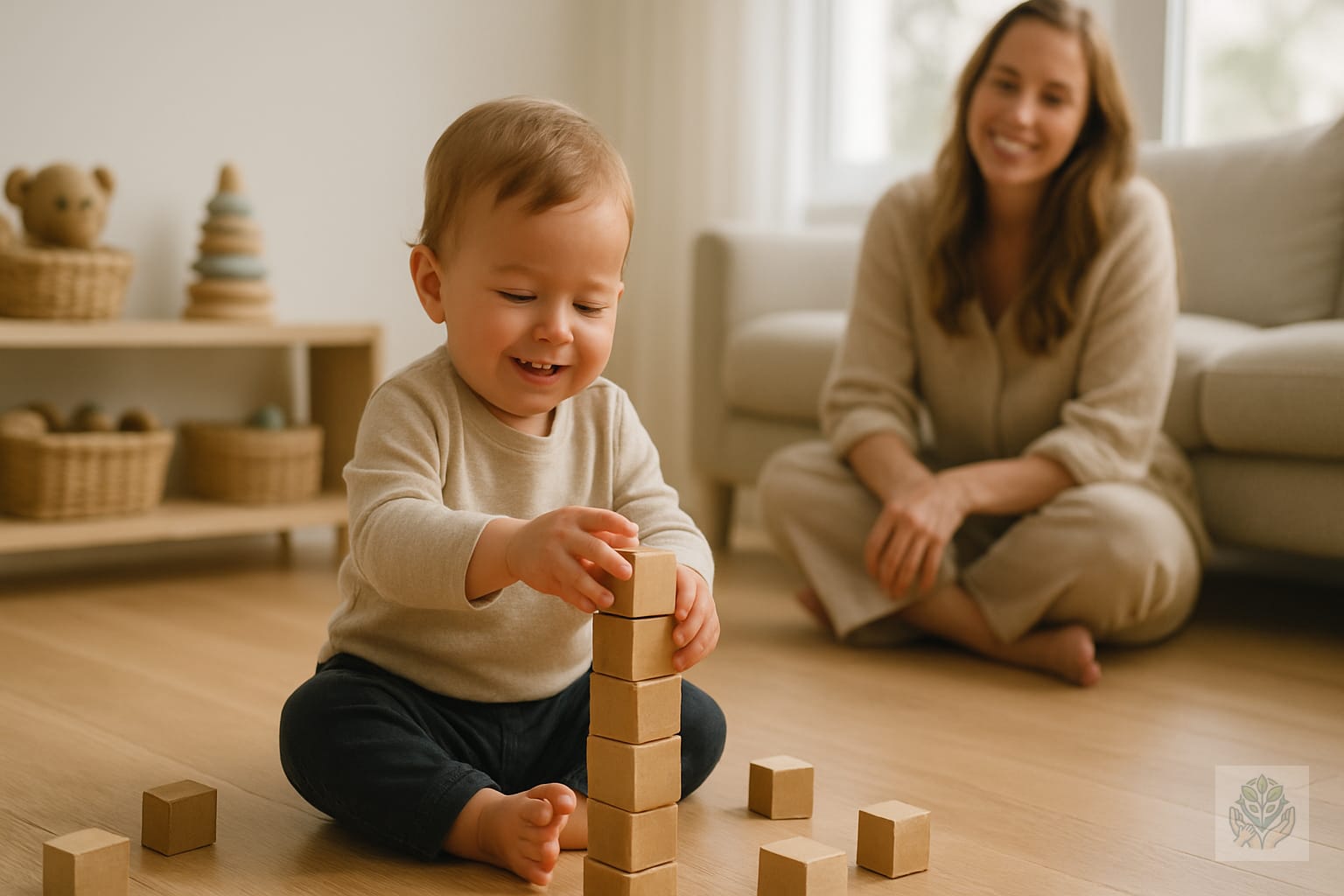
There is a strong connection between sensory stimulation and brain architecture. When a baby reaches for a textured rattle or a toddler stacks wooden blocks, their brain is literally creating new neural pathways. By providing toys that match their developmental level, you are effectively scaffolding their ability to think, reason, and understand cause and effect.
The right toys do not just entertain; they build foundational confidence. When a child masters a puzzle or successfully builds a tower, they receive a hit of dopamine that encourages them to keep exploring. This cycle of challenge and success builds a growth mindset that serves them well into their school years. Check out our educational benefits of puzzle games article to understand how they contribute to cognitive development.
Key Developmental Benefits of Age-Appropriate Toys
Choosing toys that fit your child’s current development stage offers specific benefits that support their long-term growth. Understanding these categories can help you make more informed decisions during your next shopping trip.
Cognitive Development
Toys that encourage logic and critical thinking allow children to solve problems independently. Simple shape sorters for toddlers or strategy board games for older children challenge the brain to recognize patterns and test hypotheses. This type of play prepares them for more formal academic learning.
Fine and Gross Motor Skills
Physical movement is essential for healthy development. Fine motor skills improve when children manipulate small objects like building bricks or crayons. Gross motor skills are bolstered by toys that encourage movement, such as push toys, balls, or climbing equipment. These tools help children develop the coordination and strength they need for daily activities. You can support this growth further with these engaging indoor activities for fine motor skills.
Social-Emotional Growth
Imaginative play, such as using dolls or kitchen sets, allows children to practice empathy and communication. They learn how to share space, take turns, and express complex feelings through the safety of pretend scenarios. This type of interaction is crucial for developing social intelligence. Explore the educational benefits of pretend play to see how it shapes social maturity.
Language Acquisition
Toys often act as vocabulary boosters. When you play with a toddler and name the parts of a truck or the colors of a crayon, you are reinforcing language skills. Interactive toys that prompt conversation or storytelling are excellent tools for building a robust vocabulary.
The Risks of Toys That Are Too Young or Too Old
It is important to avoid the extremes when selecting items for your home. Toys that are too simple for a child’s developmental stage can quickly lead to boredom and disengagement. When a child is bored, they may stop playing or start using the toys in ways that are not intended, which often leads to clutter and frustration for parents.
Conversely, toys that are too advanced create the frustration factor. If a child cannot understand how to use a toy, they may feel discouraged and give up, leading to a negative association with that activity. Furthermore, there are significant safety concerns to consider. Toys designed for older children may contain small parts that pose a choking hazard to younger siblings. Always check the age labels on packaging to ensure your child’s environment remains safe. For more safety tips, review our guide to preventing common household accidents for babies.
A Stage-by-Stage Guide to Selecting Toys
Not sure where to start? Use this brief guide to help you choose the best options for your child’s age:
- Infants (0-12 months): Prioritize sensory exploration. Look for items with different textures, high-contrast colors, and soft materials that are safe to mouth.
- Toddlers (1-3 years): Focus on active play and imitation. Blocks for stacking, simple puzzles, and items that mimic adult activities like pretend phones or kitchen sets are perfect.
- Preschoolers (3-5 years): This is the golden era of open-ended play. Art supplies, dress-up clothes, and building sets that don’t have a “right” way to be assembled encourage creativity.
- School-Age (6+ years): Transition to toys that build logic and strategy. Complex board games, science kits, and hobby-related items like art sets or sports equipment keep older children engaged.
Quality Over Quantity: Strategies for a Mindful Toy Box
You do not need a mountain of plastic to keep your child happy. In fact, clutter often stifles creativity. Instead, focus on open-ended toys. Items like basic wooden blocks, silks, or plain dolls can be transformed into anything a child’s imagination can dream up. These items remain relevant for years, making them a sustainable investment.
Implementing a toy rotation is another effective strategy. By keeping only a portion of toys out at any given time and storing the rest away, you keep the play area fresh and exciting. When you bring out a box from the closet a few weeks later, it feels like new, and your child is far more likely to engage deeply with those items. You can also explore clever open storage ideas for a kids’ room to help organize your space effectively.
Conclusion
Selecting age-appropriate toys is an act of care that supports your child’s natural curiosity and growth. By focusing on quality over quantity and observing your child’s unique interests, you can create a home environment that fosters a lifelong love of learning. Remember, the best toy is often the one that invites the child to be an active participant rather than a passive observer.
Try to follow your child’s lead rather than the latest marketing trends. If you found this guide helpful, consider sharing it with other parents who might be feeling overwhelmed by the toy aisle. Sign up for our newsletter today to receive seasonal toy guides and more expert tips on child development directly to your inbox.
Frequently Asked Questions
Why are age-appropriate toys important for children?
Age-appropriate toys match a child’s current physical, emotional, and cognitive abilities, providing the right level of challenge to keep them engaged without causing frustration, thereby fueling their overall growth.
How do toys affect cognitive development?
Toys that encourage logic and problem-solving, such as shape sorters or strategy games, challenge the brain to recognize patterns and test hypotheses, preparing children for formal academic learning.
What are the risks of giving a child toys that are too advanced?
Toys that are too advanced can cause frustration, leading children to give up and develop a negative association with the activity. They may also present safety hazards, such as choking risks from small parts.
What types of toys are best for infants aged 0-12 months?
For infants, prioritize sensory exploration by looking for items with different textures, high-contrast colors, and safe soft materials that they can safely explore with their mouths.
How does toy rotation help parents?
Toy rotation keeps the play area fresh and exciting by storing some toys away and bringing them out later. This prevents clutter, maintains interest, and encourages deeper engagement.
What are open-ended toys?
Open-ended toys are items like basic wooden blocks, silks, or plain dolls that do not have a single fixed use, allowing children to transform them into anything their imagination dreams up.


