

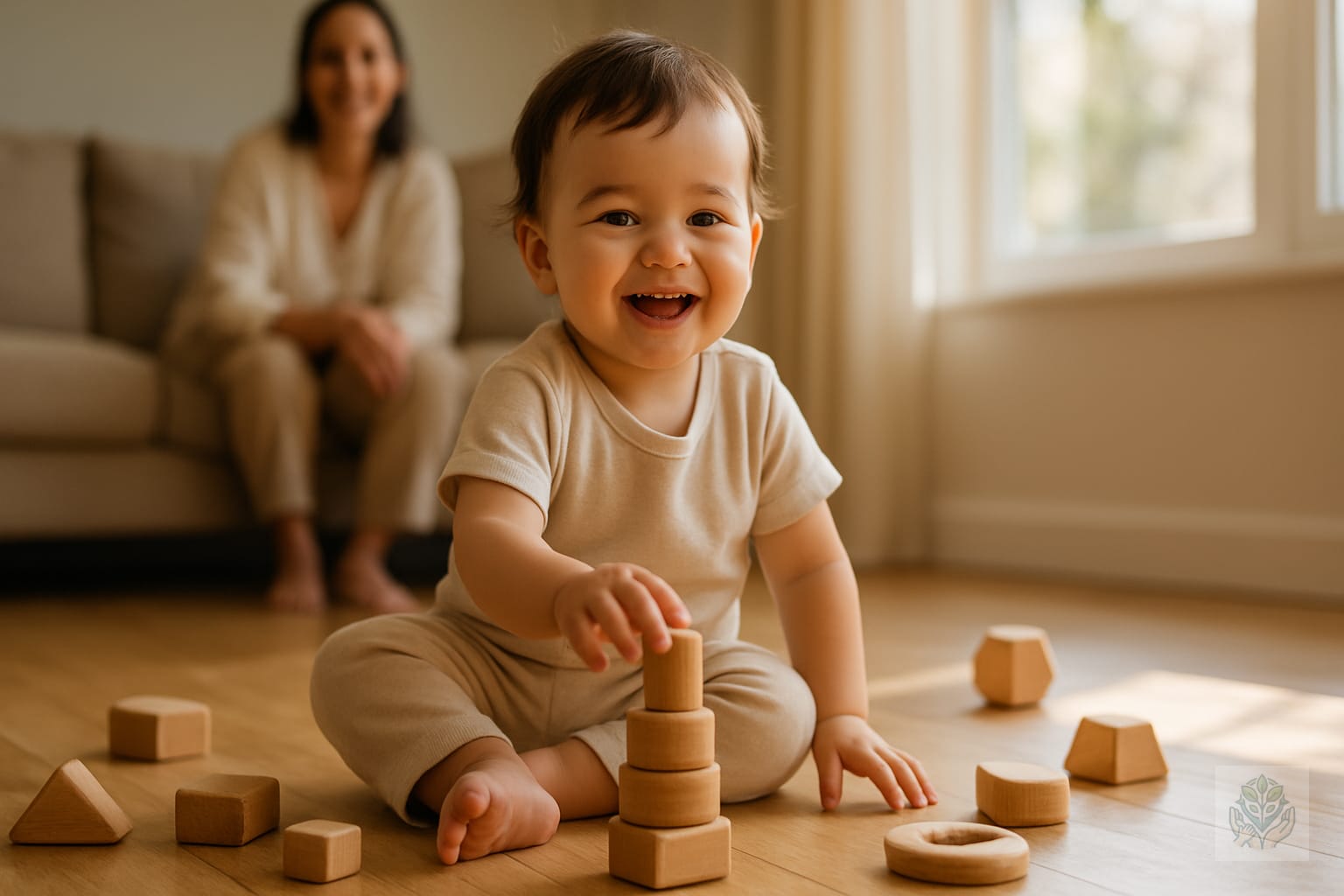
Wooden Montessori Toys vs. Plastic Toys: Which Is Best for Your Child’s Development?
Walking into a modern toy store can feel like sensory overload. The shelves are packed with flashing lights, battery-operated gadgets, and bright neon plastic. As parents, we often find ourselves standing in the aisle, wondering which items will actually nurture our child’s growth rather than just provide a few minutes of distraction. The choice between wooden Montessori toys and mass-produced plastic toys is more than just a matter of aesthetic preference; it is a decision about how our children interact with the world around them.
The Montessori approach to play centers on the belief that children learn best when they can engage with simple, purposeful materials. By focusing on developmental milestones rather than entertainment, Montessori-aligned toys aim to foster independence and deep concentration. In this article, we will evaluate the differences between wooden Montessori toys and plastic counterparts, looking at play quality, environmental impact, and the long-term effects on your child’s cognitive development. If you are exploring this method further, check out our complete guide to Montessori toys for every age.
Understanding the Philosophy: Montessori Principles
At the heart of the Montessori method is the concept that less is more. A curated environment allows a child to focus on a single task without the distraction of bright screens or erratic electronic sounds. Montessori toys are designed to be open-ended, meaning they do not dictate how a child should play with them. A set of wooden blocks is not just a building tool; it is a canvas for architectural exploration, a set of counting manipulatives, or even pretend food for a tea party. You can also explore how pretend play supports child development to expand their creative horizons.
Natural materials play a critical role in this philosophy. Unlike smooth, uniform plastic, wood offers a variety of textures, weights, and temperatures. This tactile feedback is essential for sensory integration. When a child picks up a solid piece of maple wood, they experience the grain and the weight of the object, which helps them understand the physical properties of their environment in a way that hollow plastic simply cannot replicate.
Wooden Montessori Toys: Why They Are the Gold Standard
Wooden Montessori toys are often viewed as the gold standard for early childhood development, and for good reason. Their sensory appeal is unmatched. The natural weight and smooth finish of a wooden puzzle or grasping toy provide a grounding experience for an infant or toddler. Because these toys lack the visual noise of neon colors and flashing lights, they invite the child to lead the play, which is fundamental to building imagination.
Beyond development, durability is a major selling point. High-quality wooden toys are often considered heirlooms. Because they are constructed from robust materials, they can withstand years of enthusiastic play and be passed down to siblings or future generations. From a safety perspective, choosing solid wood allows parents to avoid common concerns associated with synthetic manufacturing, such as hidden BPA, phthalates, or other harsh chemicals found in some low-grade plastic products.
The Reality of Plastic Toys: Pros and Cons
We cannot ignore that plastic toys are incredibly convenient and affordable. For many families, the accessibility of plastic makes it the default choice. These toys are lightweight, easy to sanitize, and often come in bright, attention-grabbing themes that appeal to children in the short term. However, there is a distinct downside to the sheer volume of plastic on the market today.
The battery-operated problem is perhaps the most significant issue for child development. When a toy does all the work—talking, flashing, and moving on its own—the child becomes a passive observer rather than an active creator. This type of play can actually lead to overstimulation and shorter attention spans. Furthermore, many mass-market plastic toys are fragile. Once a piece breaks or a battery compartment fails, the entire item often ends up in a landfill, raising valid concerns about environmental sustainability and the proliferation of microplastics.
Head-to-Head Comparison: Wooden vs. Plastic
When comparing these two categories, it helps to look at the metrics that matter most to parents and educators:
- Play Quality: Wooden toys are typically open-ended, requiring the child to supply the creativity. Plastic toys are often task-specific, meaning they have one intended use, which limits growth over time.
- Safety and Toxicity: Wooden toys, especially those finished with water-based or non-toxic paints, offer peace of mind. While some plastic is certified safe, the chemical footprint of mass-produced synthetic materials is generally higher.
- Environmental Footprint: Sustainability is a key factor. Wood is a renewable resource and creates far less waste over the lifetime of a child compared to cheap plastic toys that break easily.
- Cost-Benefit Analysis: While wooden toys have a higher initial price point, their longevity makes them a more cost-effective investment. You might buy five plastic toys that break in a year, or one quality wooden toy that lasts for a decade. See our guide to choosing age-wise toys to make smarter investments.
How to Transition Your Playroom
If you feel overwhelmed by a sea of plastic, remember that you do not need to replace everything overnight. Start by decluttering. Observe your child for a few days to see which toys they rarely touch or which ones result in frustration rather than engagement. Gradually remove the items that provide little developmental value. To make the most of your space, check out these clever open storage ideas for a Montessori-inspired kids’ room.
Curating a selection of high-quality wooden staples is a great next step. Look for basic shapes, stackers, or simple puzzles that invite interaction. You do not need to aim for a perfect, all-wooden playroom to be a good parent. If your child has a favorite plastic toy that they truly love and use creatively, it is perfectly fine to keep it. The goal is to create a balanced environment where the majority of materials encourage active, intentional, and imaginative play.
Conclusion
The debate between wooden Montessori toys and plastic toys ultimately boils down to a question of quality over quantity. By prioritizing toys that encourage deep focus, physical engagement, and open-ended creativity, you are setting the stage for your child to become a confident learner. While plastic has its place in the modern home, investing in a few well-chosen wooden pieces can make a world of difference in your child’s development.
If you are ready to make a change, start small. Replace one or two of your child’s most overstimulating plastic toys with a high-quality wooden staple. You will likely notice a change in how your child plays—moving from passive distraction to active, joyful exploration. For more developmental tips, review our best Montessori toys for cognitive development guide.
Frequently Asked Questions (FAQ)
Are all wooden toys Montessori-aligned?
Not necessarily. While wooden materials are preferred, a toy is only truly Montessori-aligned if it serves a specific developmental purpose, encourages independence, and allows for open-ended play. Avoid wooden toys that are overly complex or designed for gimmicky purposes.
How do I clean wooden toys safely?
Wooden toys should never be submerged in water or put in the dishwasher, as this can cause the wood to warp or crack. Instead, use a soft cloth dampened with a mixture of water and a mild, natural vinegar solution to wipe them down, then let them air dry.
Are plastic toys always bad for development?
Not always. The danger lies in toys that are passive and overstimulating. Some plastic toys, like high-quality building sets or durable play kitchens, can be excellent for development. The key is to look for items that invite the child to do the work, rather than doing the work for the child. Learn more in our guide on why age-appropriate toys matter for child development.
Frequently Asked Questions
Are all wooden toys considered Montessori-aligned?
Not all wooden toys are Montessori-aligned. A toy is truly Montessori if it serves a distinct developmental purpose, fosters independence, and features open-ended play capabilities rather than being overly complex.
How should I safely clean wooden toys?
Never submerge wooden toys in water or use a dishwasher. Instead, wipe them down with a soft cloth dampened in a solution of water and mild vinegar, then allow them to air dry completely.
Are plastic toys always harmful to child development?
Plastic toys are not automatically harmful. The main issue is passive, battery-operated toys that overstimulate. Durable plastic toys that encourage active building and creative problem-solving can still be beneficial.
Why are wooden toys preferred in the Montessori method?
Wooden toys provide rich tactile feedback through natural weights, textures, and temperatures. They lack distracting lights and sounds, which helps children build deep concentration and imaginative skills.
Do wooden toys last longer than plastic toys?
Yes, high-quality wooden toys are exceptionally durable and resistant to rough play. They act as heirlooms that can easily withstand years of use and be passed down to younger siblings.
How can I transition my child from plastic to wooden toys?
Start by decluttering overstimulating toys and observing which items your child genuinely enjoys. Gradually replace broken or passive plastic toys with foundational wooden staples like simple blocks and puzzles.


